
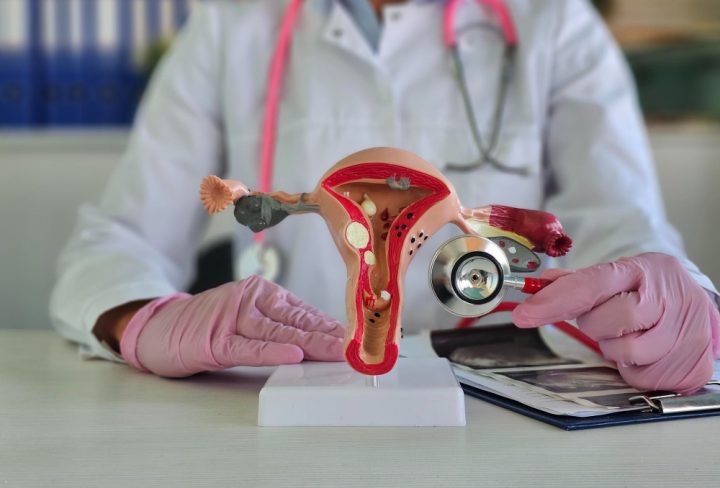
What is a Laparoscopic Hysterectomy?
Laparoscopic hysterectomy is a surgery to remove the uterus using small cuts and a camera. Doctors use special tools to perform this minimally invasive procedure. There are several types of laparoscopic hysterectomy, each with its own method. These types include total laparoscopic hysterectomy (TLH), laparoscopic-assisted vaginal hysterectomy (LAVH), and laparoscopic supracervical hysterectomy (LSH). Each type offers unique benefits and may suit different needs.
Why is Laparoscopic Hysterectomy Performed?
Doctors may suggest a laparoscopic hysterectomy for many reasons. For example, it can help treat:
Because this surgery uses small cuts, recovery is often faster than with open surgery. In the United States, many women choose this option for its quicker healing time.
Main Types of Laparoscopic Hysterectomy
There are several types of laparoscopic hysterectomy procedures. Each type removes different parts of the uterus or nearby tissues. The main types include:
How Each Type Differs
Each type of laparoscopic hysterectomy has its own uses and recovery times. For instance, TLH removes both the uterus and cervix, making it suitable for many conditions. LAVH combines both vaginal and laparoscopic steps, which can help in complex cases. LSH keeps the cervix, which may help with pelvic support. Radical hysterectomy is more extensive and is often used for cancer. Recovery after laparoscopic hysterectomy is usually quicker than with open surgery, but it can vary by type.
Benefits and Risks of Each Type
Laparoscopic hysterectomy offers many benefits, such as:
However, there are also risks, including:
Although these risks are rare, it is important to discuss them with your doctor. The benefits and risks may differ based on the type of procedure and your health.
How to Prepare for Surgery
Proper preparation can help you feel ready for your laparoscopic hysterectomy. Here are some steps to follow:
Because each person is different, your doctor may give you special instructions.
Recovery and Aftercare Tips
After your surgery, recovery after laparoscopic hysterectomy is usually smooth. Still, you should:
Most women return to normal activities within two to four weeks. However, recovery time can vary by type and your health.
Frequently Asked Questions
For more details, always check with your healthcare provider or visit trusted sources like the CDC or WHO.
Consult a gynecologist to discuss which type of laparoscopic hysterectomy is best for your needs.