
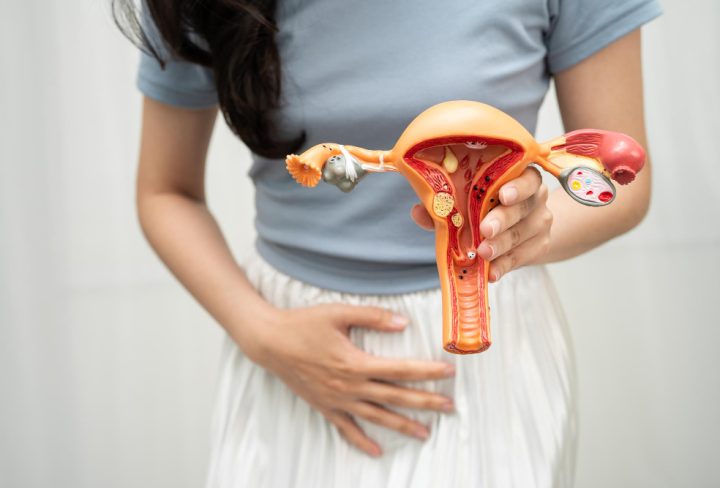
What Are Ovarian Cysts?
Ovarian cysts are fluid-filled sacs that form on or inside the ovaries. Most women will have at least one cyst during their lives. Usually, these cysts are harmless and go away on their own. However, some cysts can cause problems or discomfort. According to the CDC, most ovarian cysts are not cancerous. Still, it is important to know the facts about ovarian cysts and the menstrual cycle.
How Ovarian Cysts Relate to the Menstrual Cycle
Ovarian cysts often develop as part of the menstrual cycle. Each month, the ovaries release an egg. Sometimes, a cyst forms when the egg is not released or the sac holding the egg does not dissolve. Because of this, cysts are more common in women of childbearing age. In many cases, these cysts disappear after a few cycles. Yet, some cysts can grow larger or cause changes in your menstrual cycle.
Common Symptoms and Warning Signs
Many ovarian cysts do not cause symptoms. But, when symptoms appear, they may include:
Sometimes, a cyst can burst or twist. If this happens, you may feel sudden, sharp pain. In rare cases, you may have fever, vomiting, or dizziness. If you notice these warning signs, seek medical help right away.
Causes and Risk Factors
There are several causes of ovarian cysts. Most cysts form during the menstrual cycle. However, other types can develop for different reasons. Common risk factors include:
Not every woman with these risk factors will get cysts. But, knowing your risks can help you watch for symptoms.
Diagnosis Methods
Doctors use several methods to diagnose ovarian cysts. First, they may ask about your symptoms and medical history. Next, a pelvic exam can help find swelling or lumps. Often, doctors use ultrasound to see the cyst’s size and shape. Sometimes, blood tests or other scans are needed. These tests help rule out other problems and guide treatment. Early ovarian cyst diagnosis can prevent complications.
Treatment Options
Treatment for ovarian cysts depends on the type and size of the cyst. In many cases, no treatment is needed, and the cyst goes away on its own. However, doctors may suggest:
Most cysts do not cause long-term problems. Still, it is important to follow your doctor’s advice for the best results.
Prevention Tips and Lifestyle Guidance
While you cannot always prevent ovarian cysts, you can lower your risk. Here are some tips:
Additionally, managing stress and avoiding smoking can support your overall health. These steps may help reduce your risk of cysts and other health issues.
When to See a Doctor
It is important to know when to seek medical help. See a doctor if you have:
Early care can prevent serious problems. Remember, most ovarian cysts are not dangerous. But, regular check-ups and open talks with your doctor can keep you healthy.
For personalized advice about ovarian cysts and your menstrual health, consult a gynecologist.