
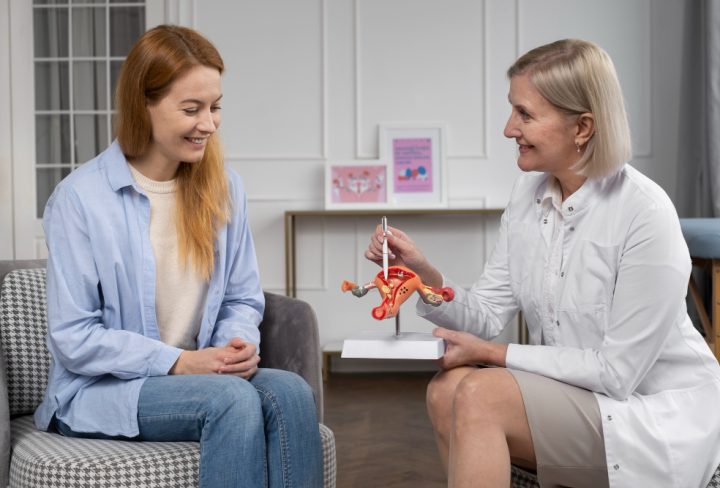
What is Endometrial Cancer?
Endometrial cancer is a type of cancer that starts in the lining of the uterus. This lining is called the endometrium. Because it is the most common cancer of the female reproductive organs, it is important to know about it. Early detection of endometrial cancer can lead to better outcomes. According to the CDC, most cases are found in women who have gone through menopause. However, it can affect younger women too.
Common Symptoms of Endometrial Cancer
Knowing the symptoms of endometrial cancer can help you seek care early. Often, symptoms appear in the early stages. For this reason, paying attention to your body is key. Common signs include:
If you notice any of these symptoms, talk to your doctor. Early action can make a big difference.
Causes and Risk Factors
Doctors do not know the exact cause of endometrial cancer. However, several risk factors can increase your chances. Understanding these can help you take steps to lower your risk. Some common risk factors include:
Additionally, some women with polycystic ovary syndrome (PCOS) may have a higher risk. If you have any of these risk factors, regular check-ups are important.
How Endometrial Cancer is Diagnosed
Doctors use several methods to diagnose endometrial cancer. First, they will ask about your symptoms and medical history. Next, they may perform a pelvic exam. If needed, your doctor may suggest further tests, such as:
Because early diagnosis improves treatment success, do not delay seeing your doctor if you have symptoms.
Treatment Options
Treatment for endometrial cancer depends on the stage and your overall health. Most often, surgery is the first step. This usually means removing the uterus (hysterectomy). Sometimes, the ovaries and fallopian tubes are also removed. In some cases, doctors may recommend:
Your doctor will discuss the best plan for you. Support from family and friends can help during treatment.
Prevention and Lifestyle Tips
While you cannot prevent all cases of endometrial cancer, some steps may lower your risk. For example, maintaining a healthy weight can help. Here are some tips:
Because early detection is key, always report unusual bleeding to your doctor. Healthy habits can make a difference.
Conclusion
Endometrial cancer is a serious but treatable condition. Knowing the symptoms and risk factors can help you act early. If you have concerns or notice changes, consult a healthcare specialist for personalized advice on endometrial cancer.