
What is Pre-pregnancy Counselling?
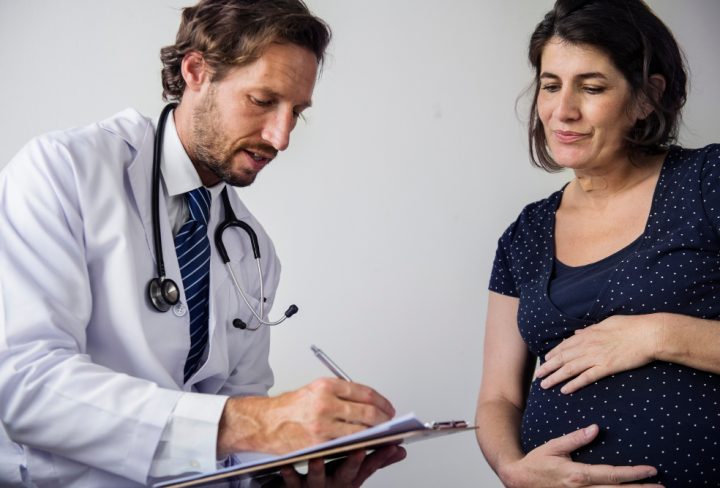
Pre-pregnancy counselling is a meeting with a healthcare provider before you try to get pregnant. During this visit, you talk about your health, lifestyle, and any risks. In fact, pre-pregnancy counselling helps you prepare for a healthy pregnancy. Many couples find this step helpful when planning for a baby.
Why is Pre-pregnancy Counselling Important?
Many people wonder why they need pre-pregnancy counselling. However, this step can help you spot and manage health problems early. It also gives you a chance to ask questions and get expert advice. As a result, you can lower risks for both mother and baby. According to the CDC, early planning improves pregnancy outcomes.
Key Steps and Components of Pre-pregnancy Counselling
During pre-pregnancy counselling, your doctor will cover several important areas. Each step helps you get ready for a healthy pregnancy. Here are the main components:
Common Questions and Concerns Addressed During Counselling
Many people have questions before pregnancy. For instance, you might ask about age, weight, or chronic health problems. You may also wonder about fertility or how long it might take to get pregnant. During pre-pregnancy counselling, your doctor will answer these questions. In addition, you can discuss any worries about past pregnancies or miscarriages.
How to Prepare for Your First Pre-pregnancy Counselling Visit
Before your visit, gather your medical records and make a list of your medicines. Also, write down any questions you have. For example, you might want to ask about safe exercises or foods to avoid. Bring your partner if possible, as their health matters too. This way, you both can learn how to prepare for pregnancy together.
Tips for a Healthy Lifestyle Before Pregnancy
Starting healthy habits before pregnancy is very important. Here are some simple tips:
Prevention and Risk Reduction Strategies
There are many ways to lower risks before pregnancy. For example, treating chronic conditions like diabetes or high blood pressure can help. In addition, getting up-to-date on vaccines protects both you and your future baby. If you have a family history of genetic diseases, genetic counselling may be helpful. Always talk to your doctor about any concerns or risks you may have.
Conclusion
In summary, pre-pregnancy counselling gives you the best chance for a healthy start. It helps you plan, prevent problems, and feel confident about your journey. For personalized pre-pregnancy counselling and guidance, consult a qualified obstetrician or gynecologist.