
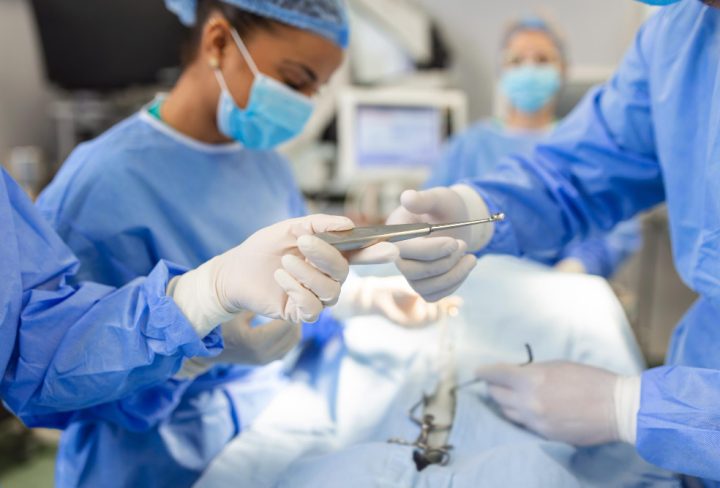
What Is a Lap Hysterectomy?
A lap hysterectomy, also called laparoscopic hysterectomy, is a surgery to remove the uterus. Doctors use small cuts and a camera to perform this minimally invasive hysterectomy. Because of this, patients often heal faster than with open surgery. Many women choose lap hysterectomy for its quicker recovery and less pain.
Common Reasons for Lap Hysterectomy
Doctors may suggest a lap hysterectomy for several reasons. Often, it is needed when other treatments do not work. Some common reasons include:
Symptoms and Conditions Leading to the Procedure
Many women experience symptoms that lead to a lap hysterectomy. For example, you might have:
If these symptoms affect your daily life, your doctor may discuss lap hysterectomy as an option. However, not all women with these symptoms need surgery. Your doctor will help decide what is best for you.
How Lap Hysterectomy Is Performed: Step-by-Step Overview
Lap hysterectomy is a safe and common procedure. Here is a simple step-by-step overview:
Because the cuts are small, you usually have less pain and a shorter hospital stay.
Benefits and Risks of Lap Hysterectomy
Lap hysterectomy offers many benefits. For instance, you may notice:
However, every surgery has risks. Some possible risks include:
Although these risks are rare, it is important to talk with your doctor about them. According to the CDC and WHO, lap hysterectomy is generally safe when done by trained surgeons.
Recovery Process and Aftercare Tips
Most women recover from a lap hysterectomy in two to four weeks. Still, everyone heals at their own pace. Here are some helpful recovery tips:
If you notice heavy bleeding, severe pain, or fever, contact your doctor right away. Most women can return to work and normal life sooner after a minimally invasive hysterectomy compared to open surgery.
Prevention and Lifestyle Guidance
While you cannot always prevent the conditions that lead to a lap hysterectomy, healthy habits can help. For example:
Early treatment of health problems may reduce the need for surgery later. However, some conditions, like cancer, may not be preventable.
Conclusion
Lap hysterectomy is a safe and effective option for many women. Because it is minimally invasive, recovery is often quicker and easier. If you have symptoms or conditions that may need this surgery, talk with your doctor. Consult a gynecologist for personalized advice on lap hysterectomy.