
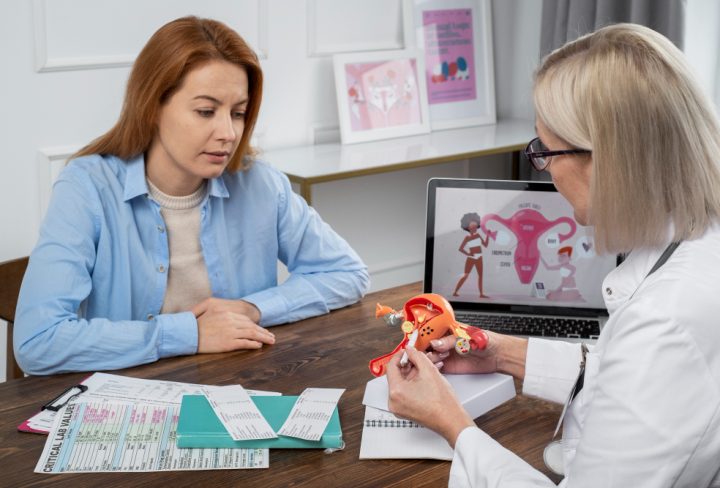
What is Polycystic Ovary Syndrome (PCOS)?
Polycystic Ovary Syndrome, or PCOS, is a common health problem in women. It affects how the ovaries work. The ovaries are small organs that make eggs and hormones. With PCOS, the ovaries may not release eggs regularly. Also, small fluid-filled sacs, called cysts, can form in the ovaries. Because of this, PCOS can cause changes in periods, skin, and hair. Many women of childbearing age have PCOS. In fact, it is one of the most common causes of irregular periods and infertility.
Common Symptoms of PCOS
PCOS symptoms can vary from person to person. However, some signs are more common. Early detection can help manage the condition better. Look out for these symptoms:
Sometimes, women may have mild symptoms. Others may notice several signs at once. If you notice any of these, talk to your doctor.
Causes and Risk Factors
Doctors do not know the exact cause of PCOS. However, several factors may play a role. For example, hormones in the body can become unbalanced. This can lead to higher levels of androgens, which are sometimes called “male hormones.” Because of this, women may notice more hair growth or acne.
Other risk factors include:
Although anyone can develop PCOS, it is more common in women with a family history of the condition.
How PCOS is Diagnosed
Doctors use several steps to diagnose PCOS. First, they ask about your symptoms and medical history. Next, they may do a physical exam. Often, blood tests are needed to check hormone levels. In addition, an ultrasound may be used to look at the ovaries. This test can show if there are cysts or if the ovaries are larger than normal.
To confirm PCOS, doctors usually look for at least two of these:
Because other health problems can cause similar symptoms, your doctor may rule out other conditions first.
Treatment Options for PCOS
There is no cure for PCOS, but treatment can help manage symptoms. The best treatment depends on your symptoms and health goals. For example, if you want to get pregnant, your doctor may suggest different options than if you do not.
Common PCOS treatment options include:
In some cases, doctors may suggest surgery if other treatments do not work. However, this is rare.
Lifestyle Tips for Managing PCOS
Healthy habits can make a big difference in managing PCOS. Even small changes can help improve symptoms. Here are some tips:
Because weight loss can improve symptoms, even losing a small amount of weight can help. Always talk to your doctor before starting a new diet or exercise plan.
Prevention and When to See a Doctor
There is no sure way to prevent PCOS. However, healthy habits may lower your risk. For example, staying active and eating well can help keep hormones balanced. If you notice symptoms like irregular periods, extra hair growth, or trouble getting pregnant, see your doctor. Early treatment can help prevent long-term problems, such as diabetes or heart disease.
In summary, PCOS is a common women’s health issue. With the right care, most women can manage their symptoms and lead healthy lives.
Consult a healthcare specialist for personalized advice on PCOS.